


Can You Live in a Holiday Home All Year?
The dream of escaping the hustle and bustle of everyday life and retreating to a quiet place is a common one. For many, this dream takes the form of owning a holiday home or holiday lodge – a place to unwind, recharge and create lasting memories. But is it possible to turn your vision into a permanent reality? Can you live in a holiday home all year round?
Can I Live in a Holiday Home All Year Round?
You can, but only if the park has a 12-month licence. There are also residential caravan parks which allow year-round residence as well, but these will have to be correctly licensed in order for you to do this. The Mobile Homes Act of 1983 states that you can only live in a static caravan all year if located on a residential park that has a permanent licence. There is however a time limit on how long you can spend in your static caravan when it’s located in a holiday park – for example, on how many consecutive days and during which months of the year – so government legislation details that you must have another permanent residence. Most static caravans are also on parks which close at some point over winter, and in some cases they will remain closed for as long as three months.
What is a Holiday Home?
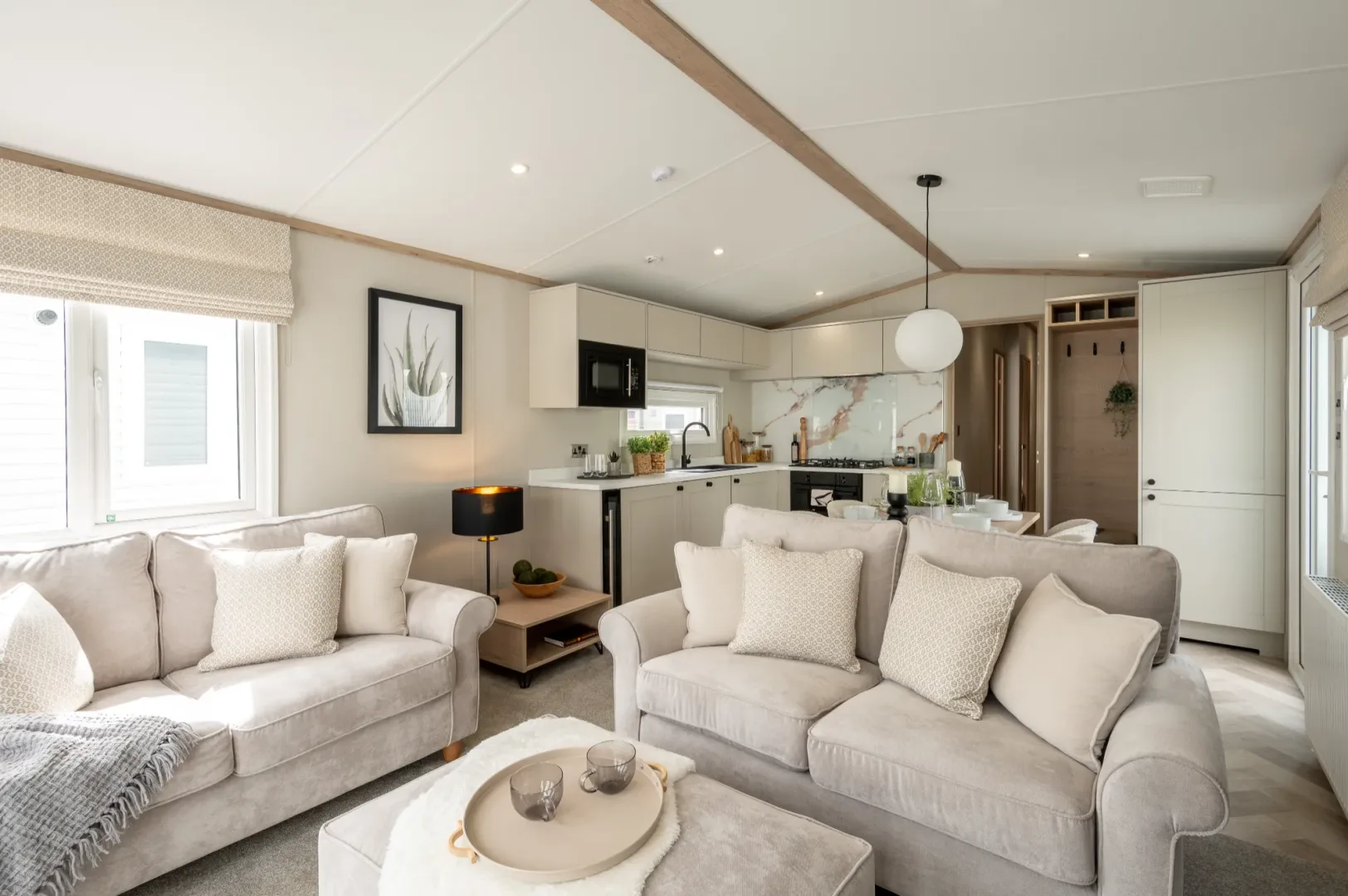
Generally speaking, a holiday home is a second property purchased for leisure, often located in a holiday park or simply somewhere you love to spend time away. When you purchase a holiday home, you’ll need to provide proof of your main address each year, such as a council tax or utility bill. Fortunately, buying a holiday home is simpler than buying a bricks-and-mortar property, with no legal fees, no stamp duty to be paid.
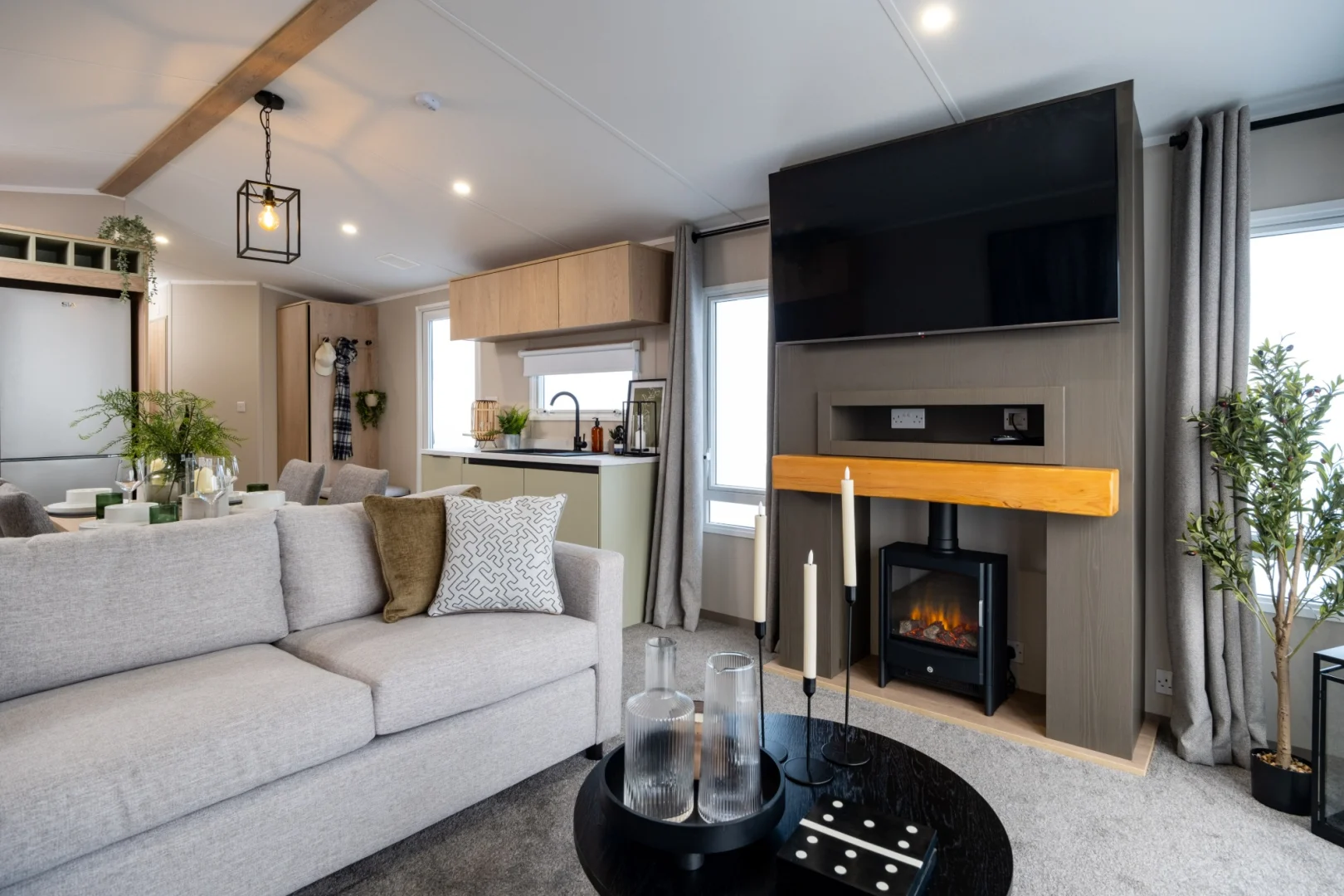
A holiday home can take many forms – from countryside cottages to city apartments, however static caravans in holiday parks have seen a marked rise in popularity in recent years due to their practical design, versatility and home from home comfort. All Victory holiday homes feature stylish interiors and modern features to create the perfect setting for relaxation and making lasting memories. Designed with Novus – our revolutionary construction technique for building holiday homes – you can be assured of the highest quality when you choose Victory.
So, How Long Can You Stay in a Holiday Home?
The maximum length of time you can legally stay in a holiday home in the UK isn't a fixed number. It depends on a few crucial factors:
1. The Specific Holiday Park's Rules:
- Licence Conditions: Each park operates under a licence from the local council, which often includes restrictions on maximum stays to prevent permanent residence. This is common to ensure the park remains for holiday use, not primary residences.
- Typical Limits: Many parks limit stays to 10 or 11 months per year, requiring you to vacate for a set period, often during the off-season. Some may impose limits on continuous stays (e.g., no more than 28 days consecutively).
2. Type of Licence:
- Holiday Use: Most holiday parks have licences specifically for holiday use, meaning you cannot legally live there year-round.
- Residential Licence: Some parks, though less common, have licences for residential use, allowing permanent living. These are specifically designed for this purpose and differ significantly from holiday parks.
3. Local Planning Regulations:
- Planning Permission: The holiday park itself must have planning permission for holiday use. If you exceed the allowed occupancy, you could be in breach of these conditions.
Finding the Specific Details:
It’s important to always check the finer details with your selected park or local council when it comes to maximum stay durations.
- Check the Park's Rules: Always consult the park's terms and conditions or speak to the management directly to understand their specific rules regarding maximum stays.
- Website Information: Many parks provide this information on their websites, often in FAQs or ownership details.
- Local Council: If in doubt, contact the local council's planning department for clarification on the park's licence and permitted usage.
Practical Considerations
Beyond the legal hurdles, there are also practical considerations to be aware of.
- Utilities and Services: Holiday homes may have different utility arrangements than residential properties. You might encounter limitations on waste collection, postal services or internet connectivity. Ensure you understand the availability and cost of essential services before making the switch.
- Insurance: Standard home insurance policies often don't cover holiday homes. You'll need to secure specialist insurance that accounts for the unique nature of the property and its intended use. If you're planning to live there permanently, ensure your insurer is aware of this to ensure you have adequate coverage.
- Access to Amenities: Holiday homes are often situated in idyllic but remote locations, which can mean limited access to essential amenities like shops, schools, healthcare facilities, and public transport. Carefully consider the implications of living further away from these conveniences.
Alternatives to Permanent Residency
If permanent residency in a holiday home proves unattainable, there are some alternative options you can consider the two options below:
- Long-Term Lets: Some holiday parks offer long-term let agreements that allow you to stay in a holiday home for an extended period, typically several months at a time. We have written a helpful guide on renting out your static caravan.
- Second Home Ownership: Maintain your primary residence while enjoying regular escapes to your holiday home or let it out when you’re not occupying it. We have written a handy guide on the ‘Rules & Regulations for Letting a Holiday Home”.
What Are the Implications of Breaking the Rules?
Not adhering to the rules and regulations on permanent holiday home residency can have some serious implications. Not only can park owners evict you from their park, but you could also face legal action from a local council for breaches of planning permission or council tax evasion – as holiday homes are generally subject to council tax.
Conclusion
While the idea of living permanently in a holiday home is an appealing prospect, it’s not allowed in the UK due to planning and licensing regulations which are designed to preserve holiday parks specifically for their intended purpose.
Thorough research – including checking park rules and local council regulations – is essential before making any decisions about extended stays in any type of holiday home or lodge. Understanding the rules and regulations will help you avoid any issues and ensure you choose the right option for your needs.
If buying a holiday home is on your mind and you would like to know more about the holiday homes and holiday lodges we have on offer at Victory, contact us today to book a showground appointment.
You might also enjoy reading...
Rules & Regulations for Letting a Holiday Home
Learn about the rules and regulations for letting a holiday home in the UK. With factors such as obtaining permission, getting insurance and complying with GDPR, there are a range of considerations to know before letting a holiday home.

5 Reasons to Buy a Holiday Home in 2025
Are you looking to buy a holiday home in 2025? Victory Leisure Homes lists five reasons why you should in this handy guide.