


Full Cost of Owning a Holiday Home in the UK
Owning a holiday home in the UK is a dream many people come back to again and again.
A place by the coast. A peaceful countryside retreat. A familiar base for family holidays. Somewhere you can escape to without booking hotels, checking availability or packing as though you’re starting from scratch every time.
But before you choose your perfect model, park or pitch, it’s important to understand the full cost of owning a holiday home.
Not just the purchase price, but the ongoing costs too.
The good news is that holiday home ownership can be wonderfully rewarding when you plan properly. Once you know what to budget for, you can have more informed conversations with your park and find a holiday home that suits your lifestyle.
With that in mind, here’s what to consider when working out the true cost of owning a holiday home in the UK.
*This guide is intended as general information only. Costs, rules, tax treatment, insurance requirements, letting permissions, licence agreements, residential-use restrictions, resale arrangements and ongoing responsibilities can vary, so buyers should always check details with their park, distributor, insurer, local authority, lender or a qualified professional before making decisions.

How Much Does It Actually Cost to Own a Holiday Home?
The full cost of owning a holiday home usually includes:
- The initial purchase price
- Transport, siting and connection costs
- Holiday park site fees
- Utilities such as gas, electricity and water
- Insurance
- Maintenance and repairs (see our blog on how to maintain your holiday home)
- Annual safety checks
- Optional extras such as decking, Wi-Fi or upgraded furnishings
- Letting costs, if you rent it out (see our guide on renting out your holiday home)
- Possible tax, council tax or business rates considerations, depending on use, location and current rules
The final price of a holiday home can vary depending on location, transport, site fees, utilities, optional extras and maintenance, so buyers should speak to their chosen park or distributor for the most accurate breakdown.
But, below are the key considerations to bear in mind regarding the full costs of buying a holiday home.
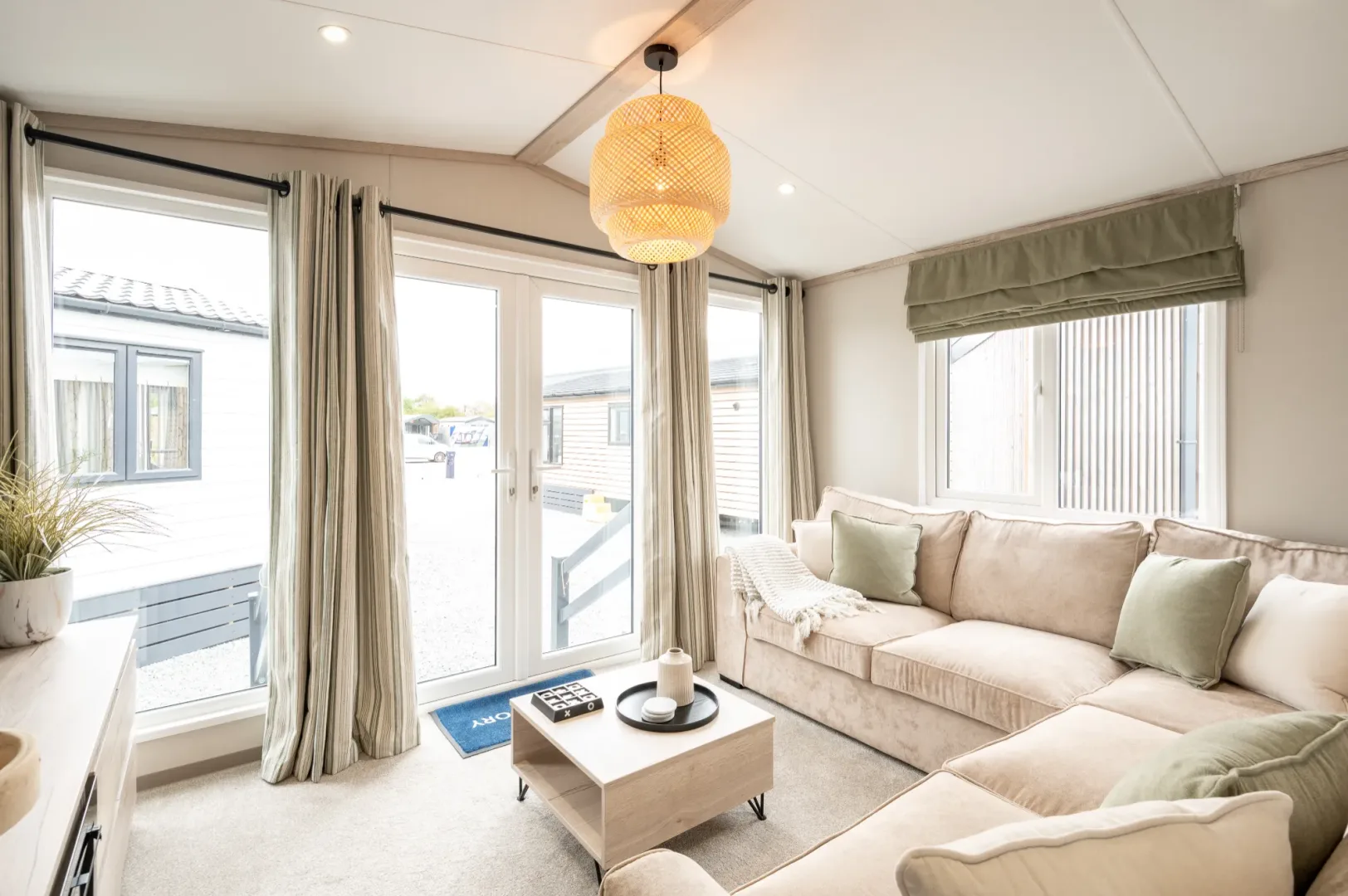
1. The Initial Purchase Price
The biggest upfront cost is, of course, the holiday home itself.
Holiday homes and holiday lodges vary widely in price depending on size, specification, layout, model, location and whether you choose optional extras.
For example, the Lakewood starts at £82,544 and is one of our most expensive holiday homes. If, however, you’re looking for an entry-level holiday home, our entry-level Ashberry model starting at £38,485 might be ideal for you.
* Prices are correct at time of writing and may vary by park, distributor, specification and optional extras.
Essentially though, a holiday home, sometimes called a single unit, can be up to 14ft wide and comes in a range of lengths. A holiday lodge, or twin unit, is often much larger, usually offering more space and open-plan living, and is typically more expensive than a holiday home.
What affects the purchase price? The price of a holiday home can depend on:
- Size and number of bedrooms
- Whether it is a holiday home or lodge
- Interior specification
- Built-in appliances
- Optional upgrades
- Pitch location
- Transport and siting
- Park or distributor pricing
- Decking, skirting or exterior additions
This is why two buyers can choose similar models but pay different final costs. The home itself is only one part of the ownership package.
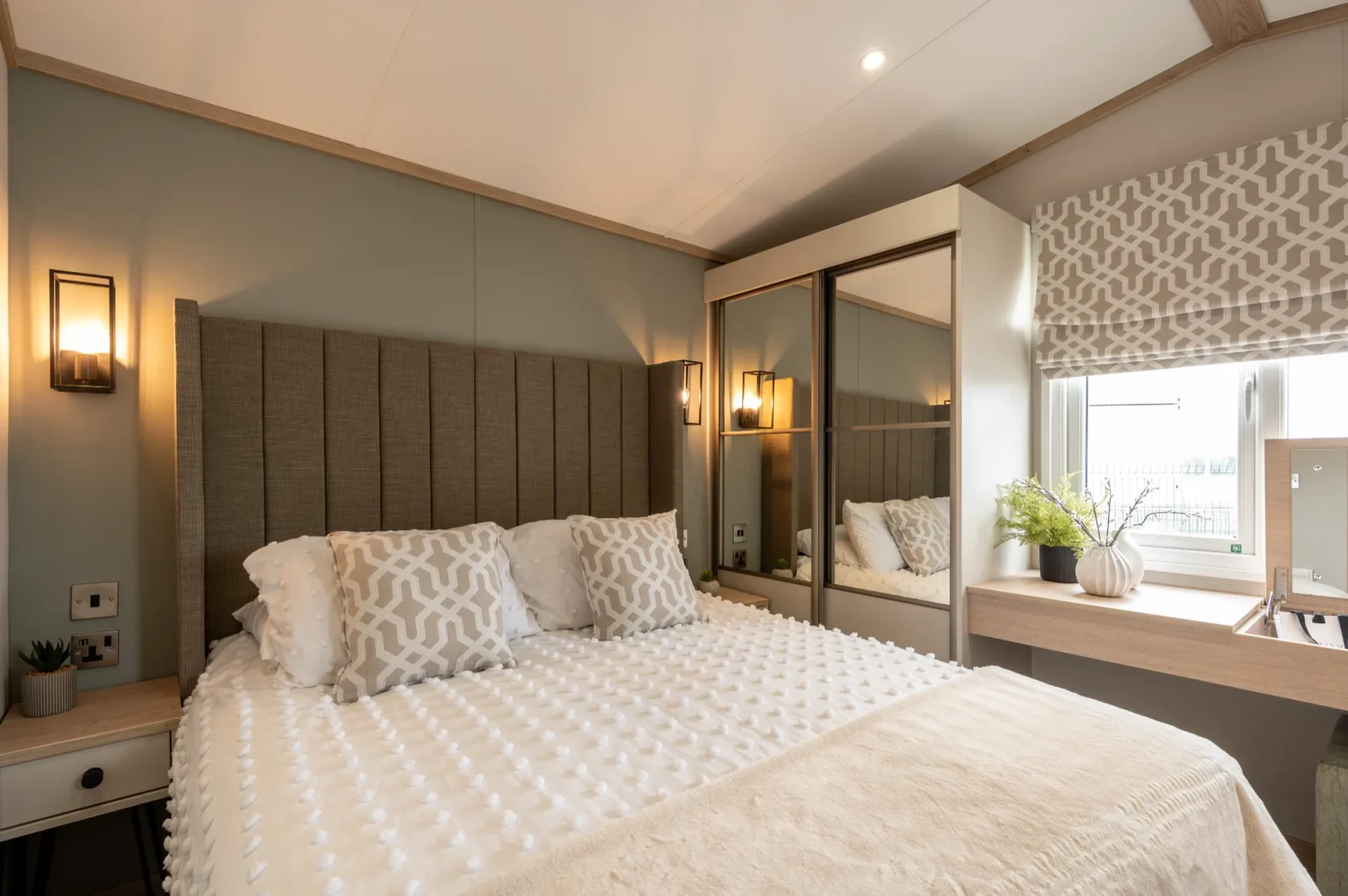
2. Transport, Siting and Connection Costs
Once you’ve chosen your holiday home, it needs to be delivered, sited and connected safely.
If you’re buying through a holiday park across our locations, many of these arrangements may be handled as part of the purchase process. However, it is still worth asking what is included and what is charged separately.
Costs to ask about include:
- Transport to the park
- Crane or specialist siting requirements
- Connection to gas, electricity, water and drainage
- Commissioning by qualified tradespeople
- Steps, skirting or access requirements
- Pitch preparation
Holiday homes may need a concrete base, blocks, siting specialists, clear access routes and connection to services such as gas, electricity, sewage and water. Ask your park or distributor which qualified tradespeople are needed for siting, connection and commissioning before the holiday home is used.
Even if you are buying through a park rather than placing a home on private land, the principle is the same: always ask what is included before you commit.
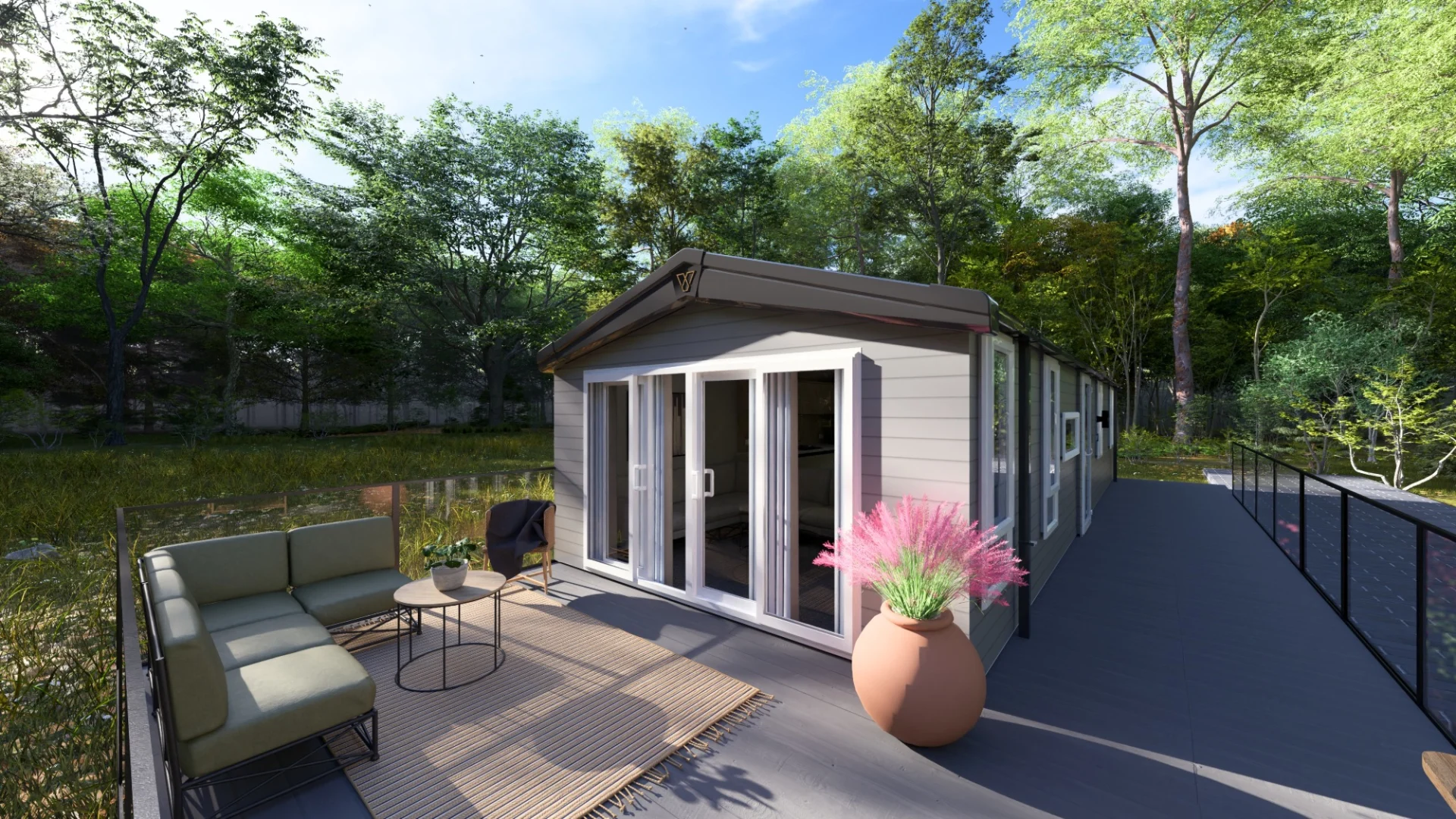
3. Holiday Park Site Fees
Site fees are one of the most important ongoing costs of holiday home ownership.
They are usually charged annually and cover the right to keep your holiday home on a pitch within the park. What they include can vary significantly between parks, so it’s important to compare carefully.
Site fees may contribute towards:
- Pitch rental
- Park maintenance
- Landscaping
- Road and path upkeep
- Waste disposal
- Access to park facilities
- Security
- General site management
Our guide to buying a holiday home details how site fees are often charged annually and should be factored into the overall budget.
The location and facilities of the park can make a difference as well. A quiet countryside park with fewer amenities may have a different fee structure from a coastal resort with pools, restaurants, entertainment and premium facilities.
The best question to ask is not just “How much are the site fees?” but “What do the site fees include?”
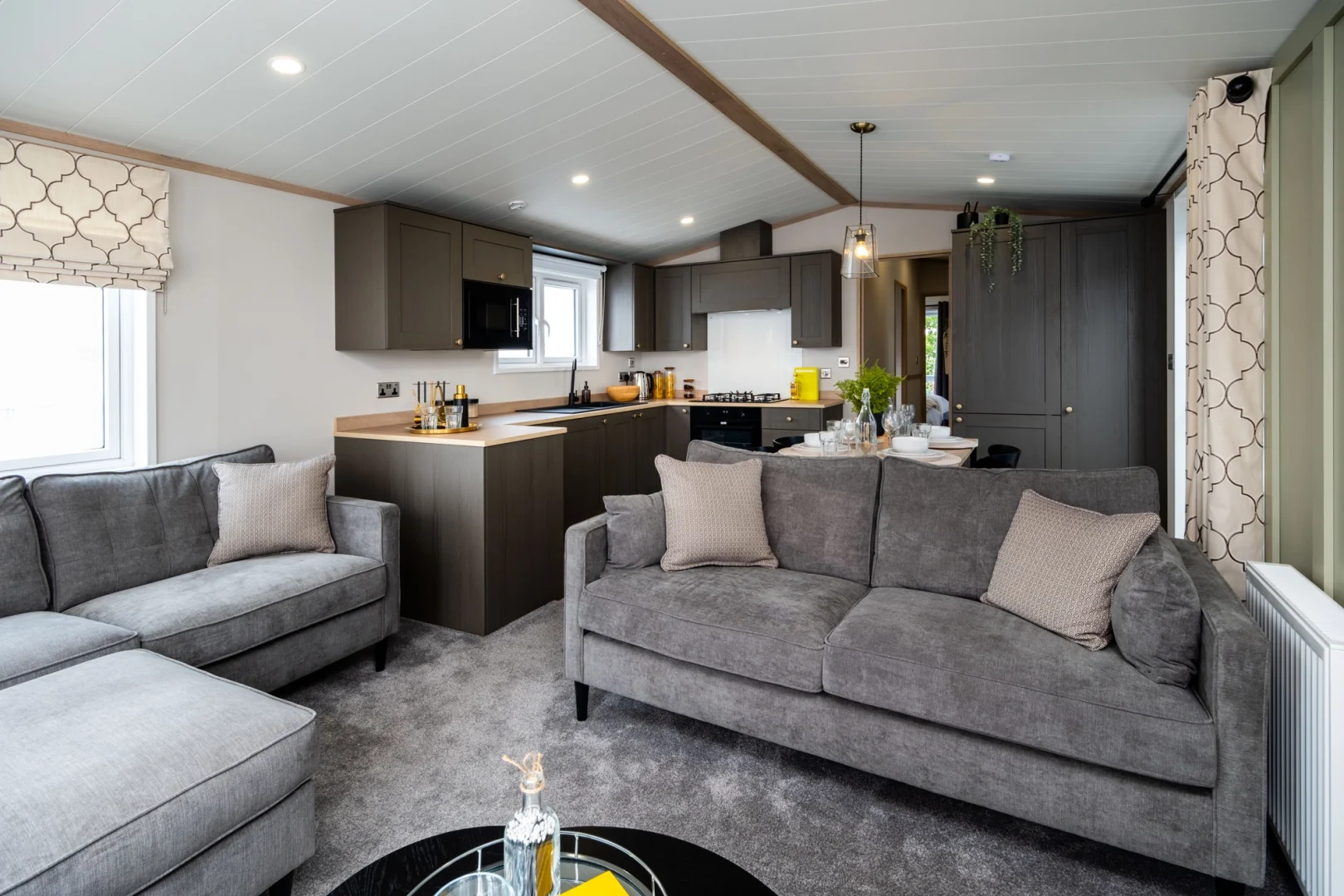
4. Utilities: Gas, Electricity and Water
Utilities are another key part of the cost of owning a holiday home.
Your usage will depend on how often you visit, when you visit and how the holiday home is designed, insulated and used. A couple using their holiday home for occasional summer weekends will have very different costs from a family using it throughout the year.
Typical utilities to budget for include:
- Electricity
- Gas or LPG
- Water
- Wastewater or drainage
- Bottled gas, if applicable
- Internet or Wi-Fi
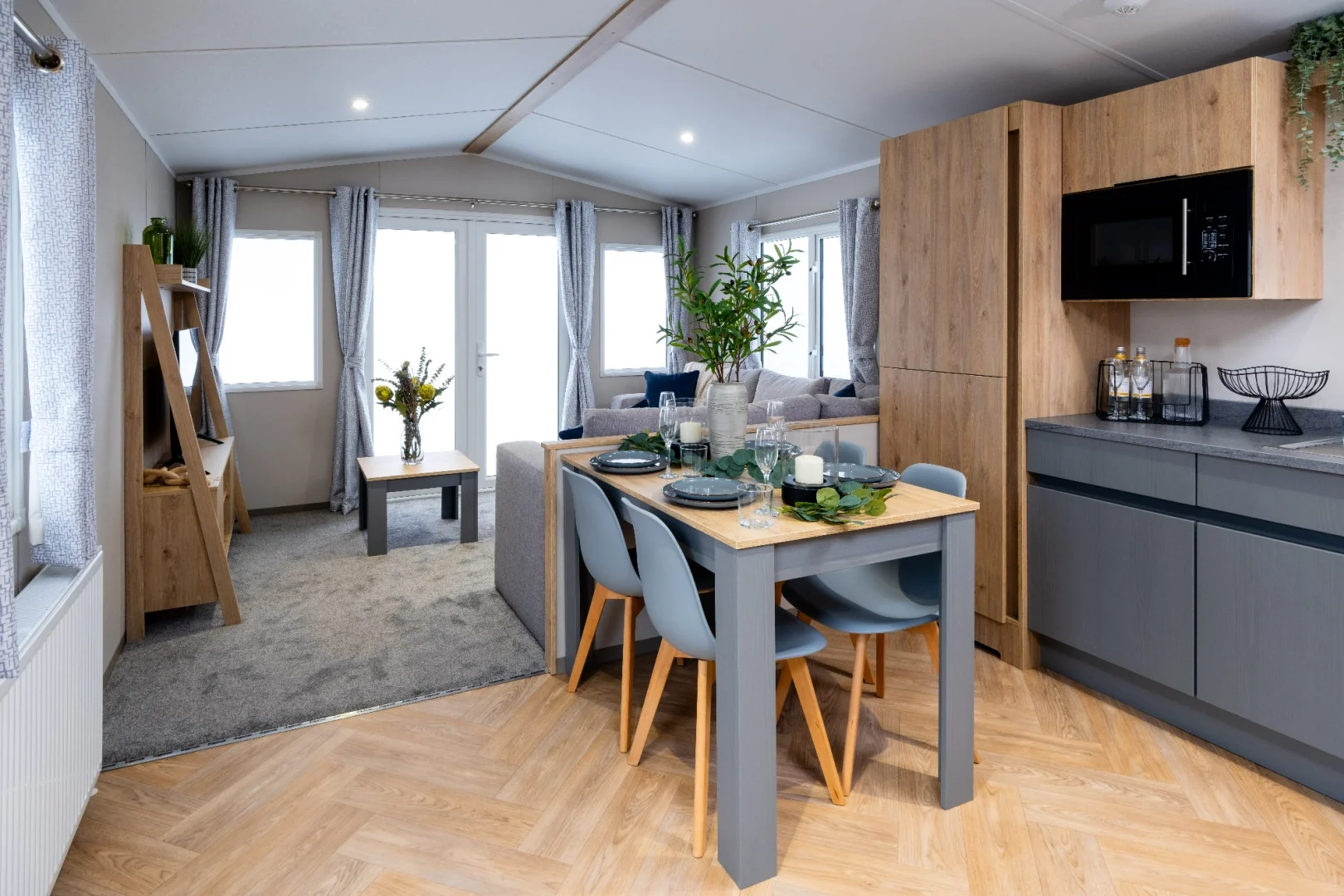
Energy costs are particularly worth reviewing in regularly, but modern design can help with comfort and efficiency. This is where upfront choices can influence comfort, usability and the questions you may want to ask about running costs.
5. Insurance
Holiday home insurance is different from standard home insurance because holiday homes are often left empty for longer periods and may be used in different ways.
Your insurance cost will depend on the home, its location, value, security features, usage, cover levels and whether you let it out.
Some policies may exclude or limit letting, so owners should check their own policy and speak to their insurer before allowing guests to stay.
Holiday home insurance may cover:
- Buildings or structure
- Contents
- Storm or flood damage
- Theft or attempted theft
- Accidental damage
- Public liability
- Potential loss of income cover, where specifically included in the policy
- Emergency accommodation
- Legal expenses
Always read your policy carefully. Many policies require owners to maintain the property properly, carry out safety checks and take precautions during cold weather.
6. Maintenance and Repairs
Every holiday home needs ongoing care.
Some maintenance tasks are small and regular, while others may be occasional larger jobs. Budgeting for both helps avoid surprises.
Common maintenance costs include:
- Boiler servicing
- Gas safety checks
- Electrical checks
- Appliance repairs
- Plumbing repairs
- Gutter cleaning
- Exterior cleaning
- Decking maintenance
- Replacement bedding or soft furnishings
- General wear and tear
A good approach is to set aside a yearly maintenance fund. Even if you don’t use all of it, you’ll have a cushion for repairs, replacements or upgrades.
7. Annual Safety Checks
Safety checks are part of responsible ownership, especially if you let your holiday home to guests.
You may need to budget for:
- Annual gas safety checks
- Boiler servicing
- Portable appliance testing
- Electrical installation checks
- Fire extinguisher servicing or replacement
- Smoke alarm and carbon monoxide alarm replacement
- General safety inspections
If you let your holiday home, ask your park, insurer or a qualified professional what safety checks are required for your situation. This may include gas, electrical and fire safety checks.
Even if you don’t let your holiday home, safety checks are still sensible. They protect the people you love and help keep your home ready for every visit.

8. Optional Extras and Upgrades
Optional extras are part of the fun of holiday home ownership.
They help your holiday home feel personal, practical and perfectly suited to the way you want to use it.
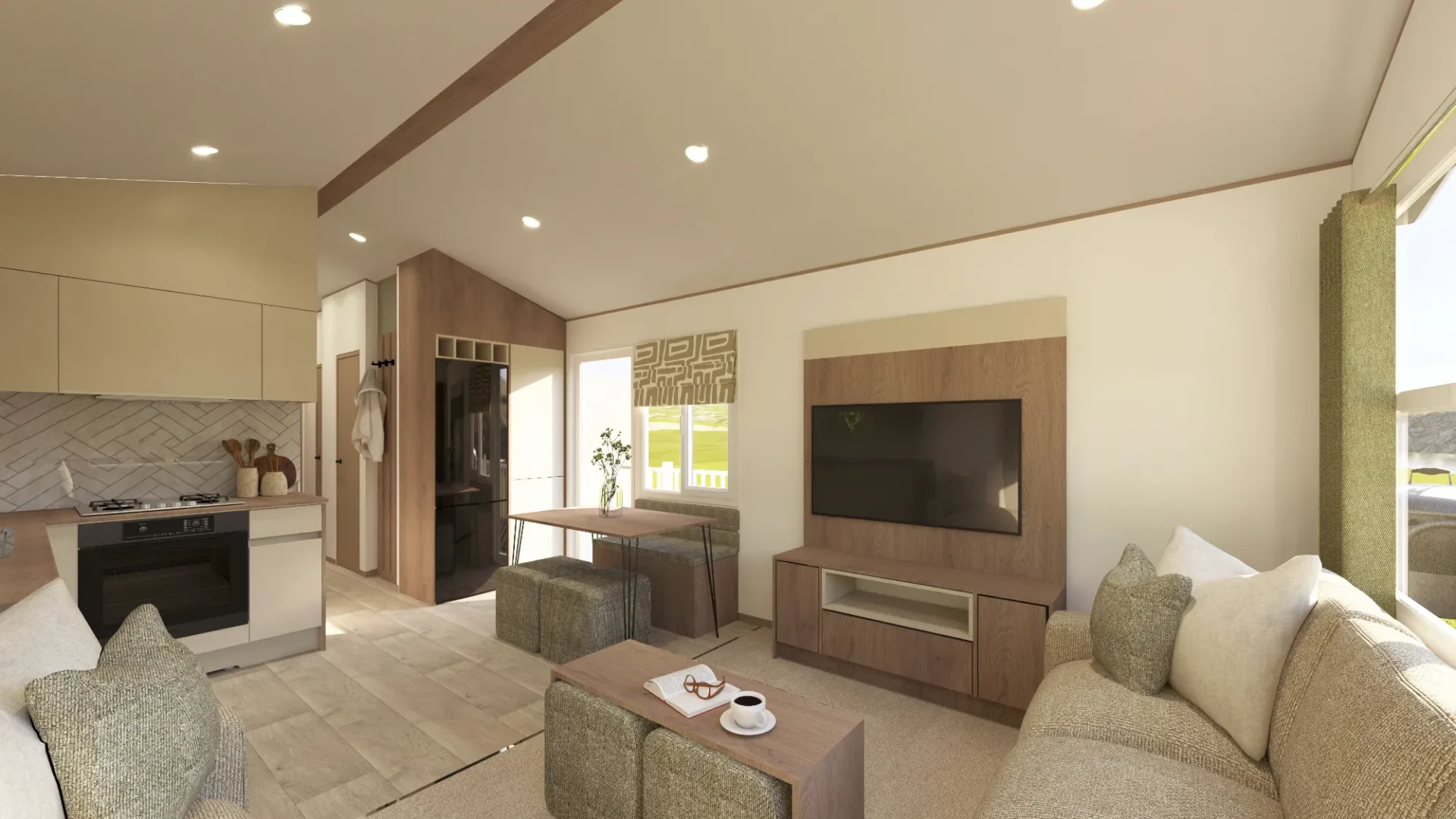
Buyers may be able to customise their holiday home or lodge with optional extras such as dishwashers, mattresses, French doors, Bluetooth sound systems and Velux windows.
Popular optional extras can include:
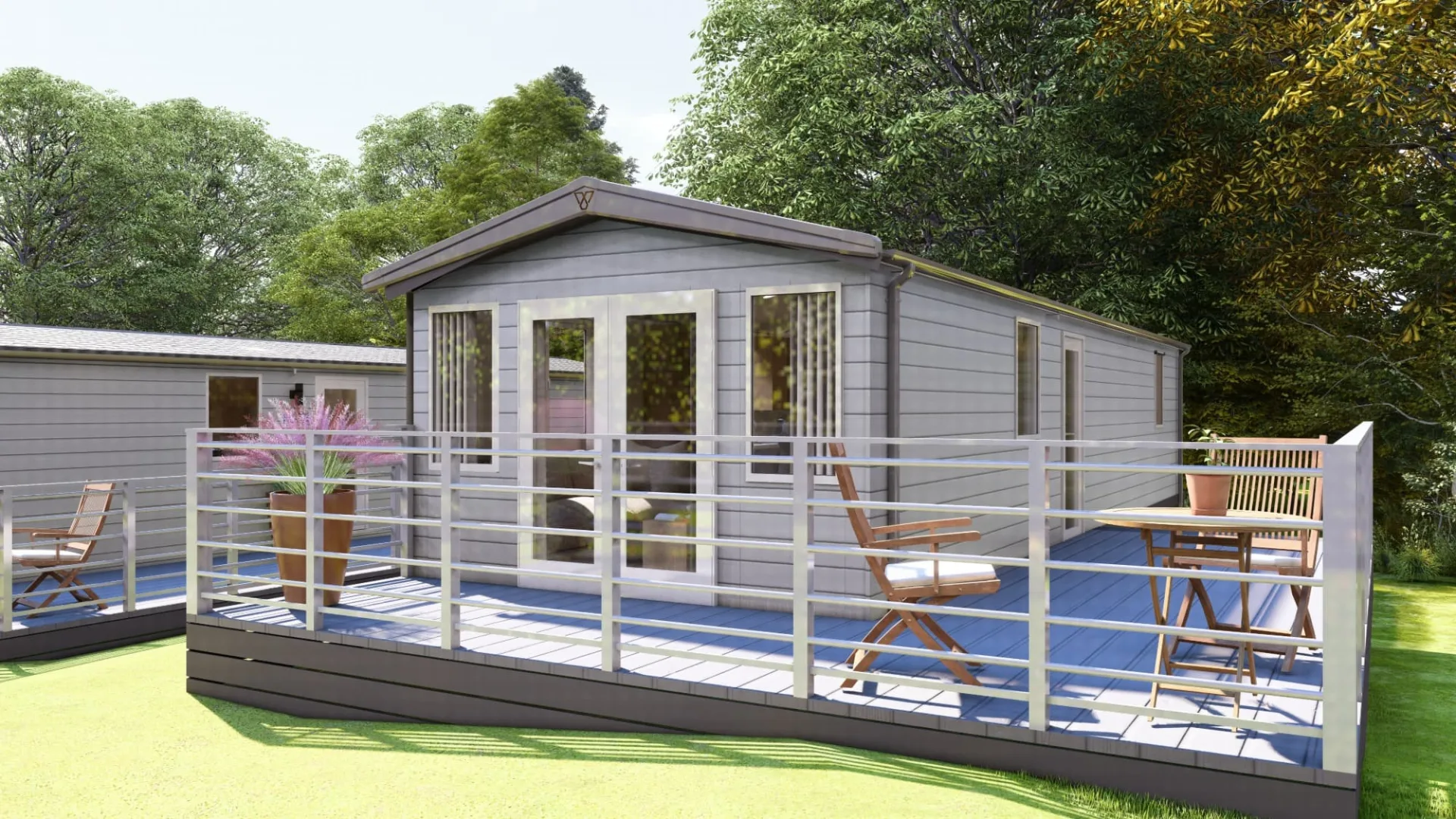
- Decking
- Outdoor furniture
- Hot tubs, where permitted
- Upgraded mattresses
- Additional appliances
- Wi-Fi
- Smart TVs
- Bluetooth sound systems
- Pet-friendly finishes
- Extra storage
- Enhanced soft furnishings
Before adding extras, think about how you’ll use the space. If you’re planning long family stays, storage and practical furniture may matter most.
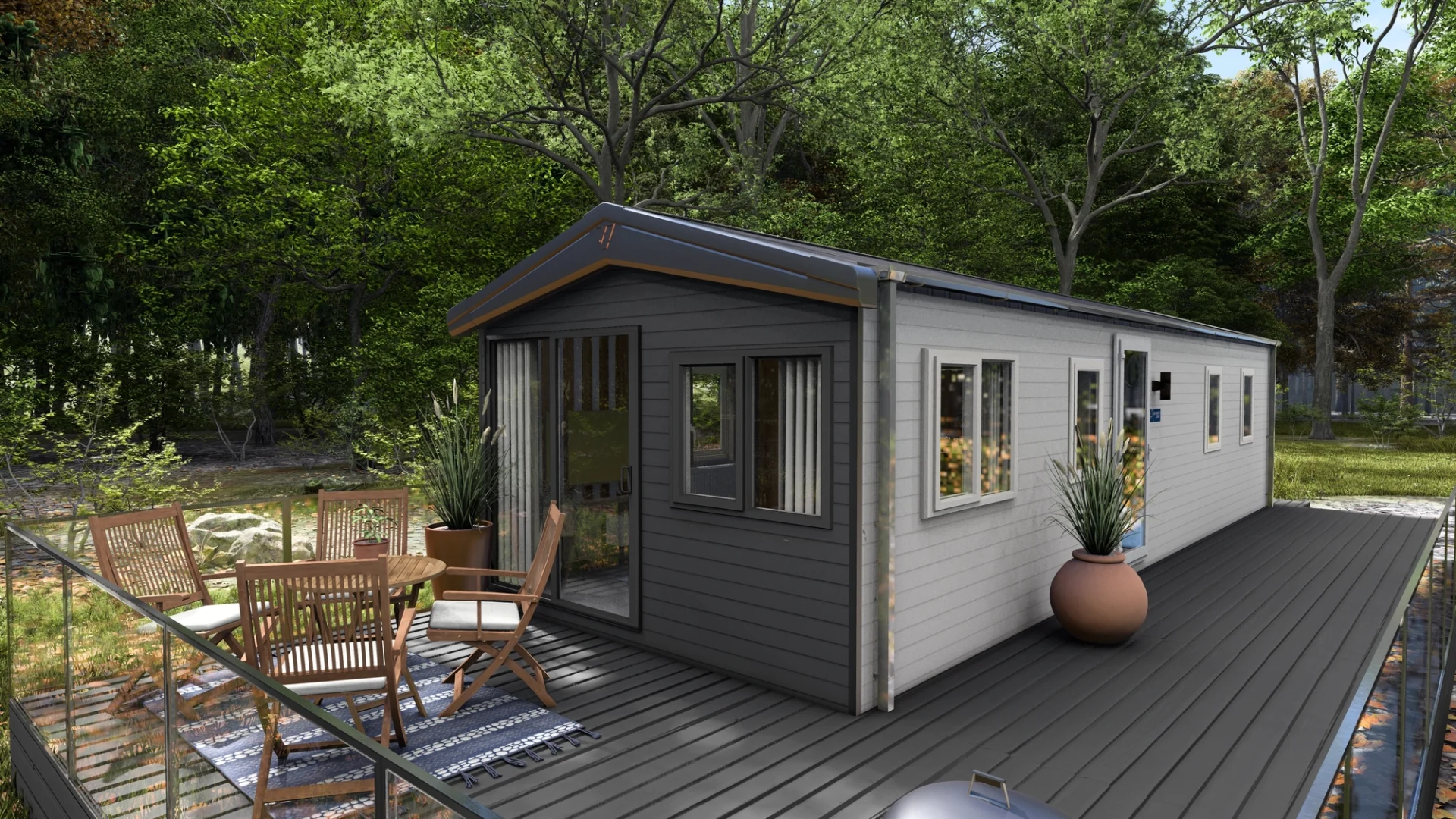
If you love entertaining, decking and outdoor seating might be worth prioritising. Also, if your park allows letting, these features may be worth discussing with the park or letting provider when considering guest expectations.
9. Letting Costs, If You Rent It Out
Some owners explore letting when they are not using the home, but income is not guaranteed and costs, permissions, tax and wear and tear should all be considered.
Letting may be an option on some parks, but availability, demand, income and costs vary significantly by location, season and park rules – particularly in popular locations such as Cornwall, Devon and the Lake District – where people often love to holiday in the UK.
However, letting also comes with costs.
Letting costs to budget for include:
- Park permission or subletting fees
- Cleaning between stays
- Laundry
- Guest welcome packs
- Booking platform fees
- Marketing photos
- Extra insurance
- Safety checks
- Wear and tear
- Replacement items
- Repairs between bookings
- Tax advice
Before renting out your holiday home, always check whether your park allows subletting. Some parks have restrictions on rental periods, guest numbers, pets or booking arrangements.
10. Questions to Ask About Tax, Council Tax & Business Rates
This is one area where it is especially important to get up-to-date advice.
The rules around holiday lets, second homes and tax have changed in recent years, and your position will depend on how your holiday home is used, where it is located and whether it is classed as a caravan, lodge, self-catering accommodation or second home.
Areas to check before you buy or let:
- The Furnished Holiday Lettings regime has changed, so owners should check the latest rules with a qualified tax adviser.
- Business rates may apply to some self-catering accommodation, depending on availability, actual letting use and local rules. Check with the local council or Valuation Office Agency.
- Some councils may apply second-home council tax premiums, depending on location and property classification. Buyers should check the current local position.
- Static caravans on holiday parks may be treated differently from bricks-and-mortar second homes, but owners should check with the park and local council.
Because the details can vary, the safest approach is to speak to your holiday park, local council and a qualified tax adviser before making financial plans based on letting income or tax treatment.
11. Finance and Payment Options
Some buyers pay for their holiday home outright, while others explore finance or payment plans, and some parks or finance providers may offer payment options. Buyers should review affordability, terms and total amount payable with the park, finance provider or an independent adviser before committing.
Try to build your budget around the full annual cost of ownership, not just the monthly payment. That gives you a clearer picture of affordability.
For more information, check out our helpful buyer’s guide, which walks you through the simple four-step process of buying a holiday home at Victory.
12. Choosing the Right Park for Your Budget
Location has a big influence on cost.
A highly sought-after coastal park with premium facilities may cost more than a quieter rural park.
We recommend visiting different parks to experience the atmosphere, facilities and local surroundings before choosing your location.
Before buying, ask a park:
- What are the annual site fees?
- What do the site fees include?
- Are utilities billed separately?
- Are there pitch options at different prices?
- Is the park open all year?
- Are there winter closure periods?
- Can I let my holiday home?
- Are there subletting fees or commissions?
- What facilities are included?
- What rules apply to pets, guests and parking?
- Are there age limits on holiday homes?
- What happens if I decide to sell?
We do encourage buyers to think about their main reason for buying, location, size, and ongoing costs; that way buyers can make an informed decision.
Is Owning a Holiday Home Worth the Cost?
For many people, the answer is yes, because the appeal is often about lifestyle rather than financial return.
A holiday home gives you:
- A familiar place to escape
- More spontaneous breaks
- Quality time with family and friends
- A base in a location you love
- Comfort without repeated booking stress
- The option to explore letting, where permitted, with no guarantee of income
- A lifestyle that can be enjoyed across the seasons
Our year-round holiday home living guide describes ownership as a lifestyle built around relaxation, flexibility and the freedom to escape whenever you choose.
That’s the real heart of it.
Yes, the costs need to be understood. Yes, the budget matters. But, once you’ve planned properly, owning a holiday home becomes about something much more enjoyable: having your own place to return to, again and again.

Final Thoughts: Plan Well, Then Enjoy Every Moment
The full cost of owning a holiday home in the UK includes more than the purchase price. You’ll need to think about site fees, utilities, insurance, maintenance, safety checks, optional extras and, if you plan to let it out, the practical and financial responsibilities that come with guests.
But, with the right planning, holiday home ownership can be a beautifully rewarding lifestyle choice.
It gives you freedom. Familiarity. Comfort. A place to make memories. A place that feels like yours from the moment you arrive.
If you’re ready to explore what holiday home ownership could look like for you, take a look at the Victory range, download a brochure or book a showground visit today. Your perfect home away from home could be closer than you think.
You might also enjoy reading...

5 Reasons to Buy a Holiday Home in 2027
Are you looking to buy a holiday home in 2027? Victory Leisure Homes lists five reasons why you should in this handy guide.
Buying a Holiday Lodge or Holiday Home in Norfolk
Looking at buying a holiday home or holiday lodge in Norfolk? Our handy guide walks you through all you need to know about home or lodge ownership in this beautiful location.
What Should I Look for in a Holiday Lodge?
Are you looking to buy a holiday lodge in 2025? Victory Leisure Homes lists some of the key considerations to look for in a luxury lodge.

Relocating Your Holiday Home | A Comprehensive Guide
If you are considering relocating your holiday home, this guide will take a helpful look at the practicalities and considerations of relocating, and how it can be a good choice for those seeking a change of scenery or a fresh start.