


Holiday Home Costs & Buying Guide
Buying a holiday home should feel exciting, not uncertain. Our guide will help you understand the upfront price, the annual running costs and the practical questions to ask before you choose your home, pitch and park.
From the first quote to the day you collect the keys, a little planning can make the whole journey feel clearer. Use this page to build a realistic budget, compare park packages and choose the Victory holiday home or holiday lodge that fits the way you want to escape.
The price of a holiday home is only the starting point. Your final budget may also need to include transport, siting, utility connections, pitch preparation, annual site fees, insurance, maintenance and occasional upgrades.
That does not need to take the shine off the experience. It simply means the happiest purchases usually start with a clear plan and the right questions.
Our holiday homes and lodges are purchased through holiday parks and certified distributors. Because each park and pitch is different, the final price can vary by location, model, specification, pitch, options and park package. We have brought the main cost questions together here so you can compare quotes with confidence and avoid unwelcome surprises.
Quick Answer: What Does a Holiday Home Really Cost?
There is no single all-in UK price for a holiday home. In broad terms, a new single-unit holiday home is usually a tens-of-thousands-of-pounds purchase, while premium twin-unit lodges can reach six figures before the final park package.
The amount you pay depends on the home, the park, the pitch and what is included. A manufacturer recommended retail price helps you compare models, but it is not the same as a final quote for a home that is delivered, connected, sited and ready to enjoy.
We publish current manufacturer RRPs on our pricing page, including VAT-inclusive figures where available. Some figures may still be shown excluding VAT or as to be confirmed, and the final park or distributor quote is likely to differ. Always ask for one written figure that clearly shows the applicable VAT and every compulsory charge.
| Cost Takeaway | What It Means |
| Upfront costs | The home, VAT, transport, siting, connections, pitch preparation, steps, skirting, decking and optional extras |
| Annual running costs | Pitch fees, utilities or rates, insurance, servicing, maintenance, winterisation and any additional park charges. |
| Big cost drivers | The park and pitch can affect your total cost just as much as the model you choose. |
| Ownership mindset | Treat a holiday home as a long-term lifestyle purchase, not as a bricks-and-mortar property investment. |
| Before committing | Read the purchase agreement and pitch licence carefully before paying a deposit or signing. |
Holiday Home Costs at a Glance
Use this as a first conversation checklist rather than a fixed price list. Parks package costs differently, so an item included in one quote may be separate in another.
| Cost | When It’s Usually Paid | What To Confirm |
| Holiday home or lodge | Upfront or through finance | Exact model, layout, standard specification, options and applicable VAT. |
| Transport and delivery | Upfront | Whether delivery to the chosen park is included and whether access creates extra costs. |
| Siting and commissioning | Upfront | Base, blocks, specialist equipment, levelling, testing and handover. |
| Utility connections | Upfront and then ongoing | Gas or LPG, electricity, water, drainage and any connection charges. |
| Pitch preparation | Upfront | Groundworks, access, retaining work, parking and drainage. |
| Steps, skirting and decking | Usually upfront | What is compulsory, what is optional and who maintains it. |
| Annual pitch or site fee | Yearly, sometimes by instalments | What it includes, review dates, increase method and any premium for the pitch. |
| Utilities, rates and Wi-Fi | Ongoing | Metering, tariffs, standing charges, non-domestic rates contribution and internet. |
| Insurance and safety checks | Yearly or as required | Required cover, insurer restrictions, servicing and inspection schedule. |
| Maintenance and winterisation | Ongoing | Owner responsibilities, park services and a realistic contingency fund. |
| Letting charges, if permitted | Per booking, percentage or annual | Park permission, commission, cleaning, safety, insurance and tax. |
| Resale or removal costs | When ownership ends | Transfer commission, disconnection, transport, age rules and removal obligations. |
How Much Does a Holiday Home Cost to Buy?
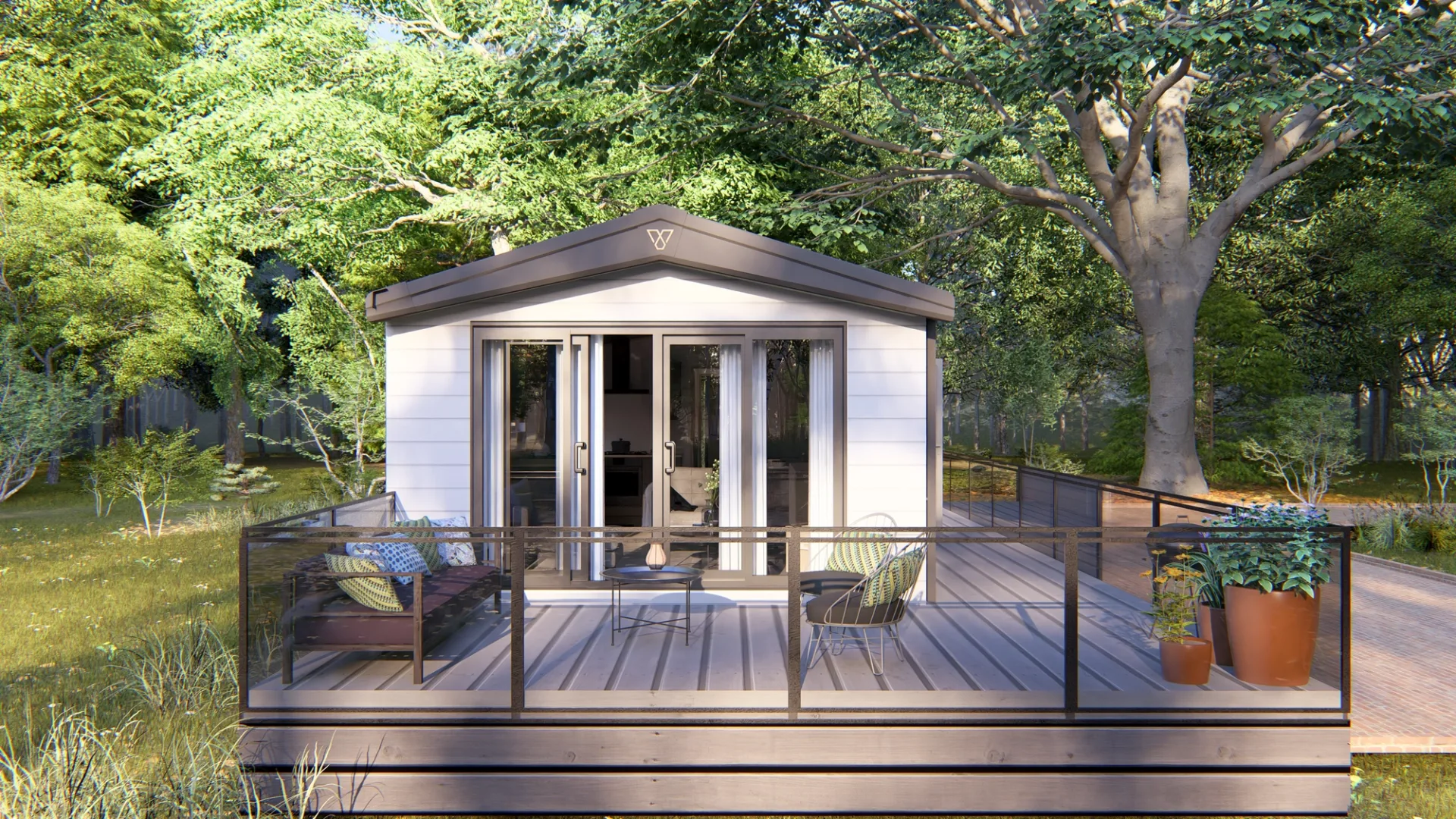
A compact single-unit holiday home will usually cost less than a larger, higher-specification model or a twin-unit holiday lodge. Within those broad categories, price can shift with width, length, bedroom count, build specification, appliances, interior features and optional extras.
Our range includes flexible, design-led holiday homes and more spacious holiday lodges. If you are still deciding which type suits you, our guide to holiday homes, holiday lodges and static caravans explains the practical differences.
The key is to compare like with like. A cheaper headline price may relate to a smaller home, a different build specification or a package that excludes costs included elsewhere. Ask the park to separate the home, pitch, compulsory charges and optional extras, then provide a final total.
What Can Change the Purchase Price?
• The size, width and bedroom layout of the home
• Holiday-home or lodge construction and specification
• The standard equipment included in the quoted model
• Factory options and park-added packages
• The distance and complexity of transport
• The pitch location, size, access and ground preparation
• Decking, skirting, steps, storage or external works
• Utility connections and commissioning
• The VAT treatment that applies to the exact transaction
• Whether the home is new, display stock or pre-owned
Manufacturer RRP vs Final On-Park Price
A manufacturer RRP helps you understand the relative position of different models, but it is not a complete consumer quote. We build our homes and work with parks and certified distributors; you buy through them rather than directly from us.
Your final figure may include the home, VAT, transport, siting, connections, park services and pitch-specific costs. For that reason, avoid building a budget around an ex-VAT “from” figure. Ask for the final VAT-inclusive total and a written list of anything not included.
What Does “Fully Sited and Ready to Use” Mean?
This phrase sounds simple, but it’s worth asking exactly what it covers. A holiday home cannot simply be delivered and enjoyed immediately. It needs to be transported safely, positioned correctly, connected to services and commissioned before handover.
Depending on the park and pitch, a ready-to-use package might include:
• Delivery from the manufacturer or distributor to the park
• Specialist transport, crane or access arrangements where required
• A suitable base, siting blocks, levelling and anchoring
• Connection to electricity, gas or LPG, water and drainage
• Testing and commissioning by qualified people
• Steps or temporary access
• A handover covering appliances, heating, controls and owner documents
It may not include decking, skirting, landscaping, parking, furniture upgrades, Wi-Fi installation or pitch-specific groundworks. Ask the park to define “sited”, “connected”, “commissioned” and “ready to use” in writing.
What Are the Annual Running Costs of a Holiday Home?
Once your home is in place, the main regular commitment is usually the annual pitch fee, followed by utilities, insurance, servicing and maintenance. The total depends heavily on the park, location, facilities, pitch and how often you visit.
1. Pitch or Site Fees
The pitch fee pays for the right to keep your holiday home on the park for the period set out in the licence agreement. It may also contribute towards landscaping, roads, waste collection, security, management and access to facilities. It does not automatically include every service.
There is no official UK-wide average. As a broad illustration only, major park operators currently publish 2026 annual fee ranges from roughly £3,250 to more than £12,000, depending on the park and pitch. See the current examples from Parkdean Resorts and Haven. These figures are not a market average and should not replace a written quote from your chosen park.
Ask what is included, when the fee is reviewed, how increases are calculated, whether premium pitches cost more and what happens if park facilities or the open season change. Out Hidden Costs of Holiday Home Ownership blog goes into more detail.
2. Utilities, Water, Rates and Wi-Fi
You may pay separately for electricity, gas or LPG, water, drainage and internet. Some charges are metered; others may be included in the pitch fee or recharged by the park. Ask for the current tariff, standing charges and a sample annual statement if one is available.
Holiday caravans on seasonal or holiday parks are generally not individually subject to council tax unless they are used as someone’s sole or main residence. The park may instead pass on a share of non-domestic rates through the pitch fee or another charge. GOV.UK guidance explains the general position, but the park and local authority should confirm how the exact pitch is treated.
3. Insurance
Specialist holiday-home insurance is usually required by the licence agreement. The premium can depend on the home’s value, location, flood or storm exposure, security, occupancy, letting and level of cover. Check whether the policy covers the structure, contents, public liability, accidental damage, alternative accommodation and loss of income if you let the home.
4. Servicing, Safety and Maintenance
Regular care protects the home, helps prevent disruptive repairs and may be required by your insurer or park. Budget for servicing and appropriate gas, electrical and fire-safety checks, particularly if guests will stay.
It’s sensible to keep a yearly maintenance reserve for small repairs, appliance issues, seals, exterior cleaning, decking and general wear. Our Holiday Homes Maintenance Checklist blog provides all the information you need.
5. Winterisation and Closed-Season Checks
If the park closes or the home is left empty during cold weather, you may need a drain-down, low-temperature heating plan, regular inspections or a professional winterisation service. Confirm what the park requires and what your insurance policy expects, and see our guide on Preparing Your Holiday Home for Winter for more information.
6. Travel and lifestyle costs
Fuel, rail fares, food, activities and pet care are easy to overlook because they are not ownership charges. They still matter when choosing a location. A beautiful park that is difficult or expensive to reach may be used less often than a slightly closer one.
Can Letting Help Cover Holiday Home Costs?
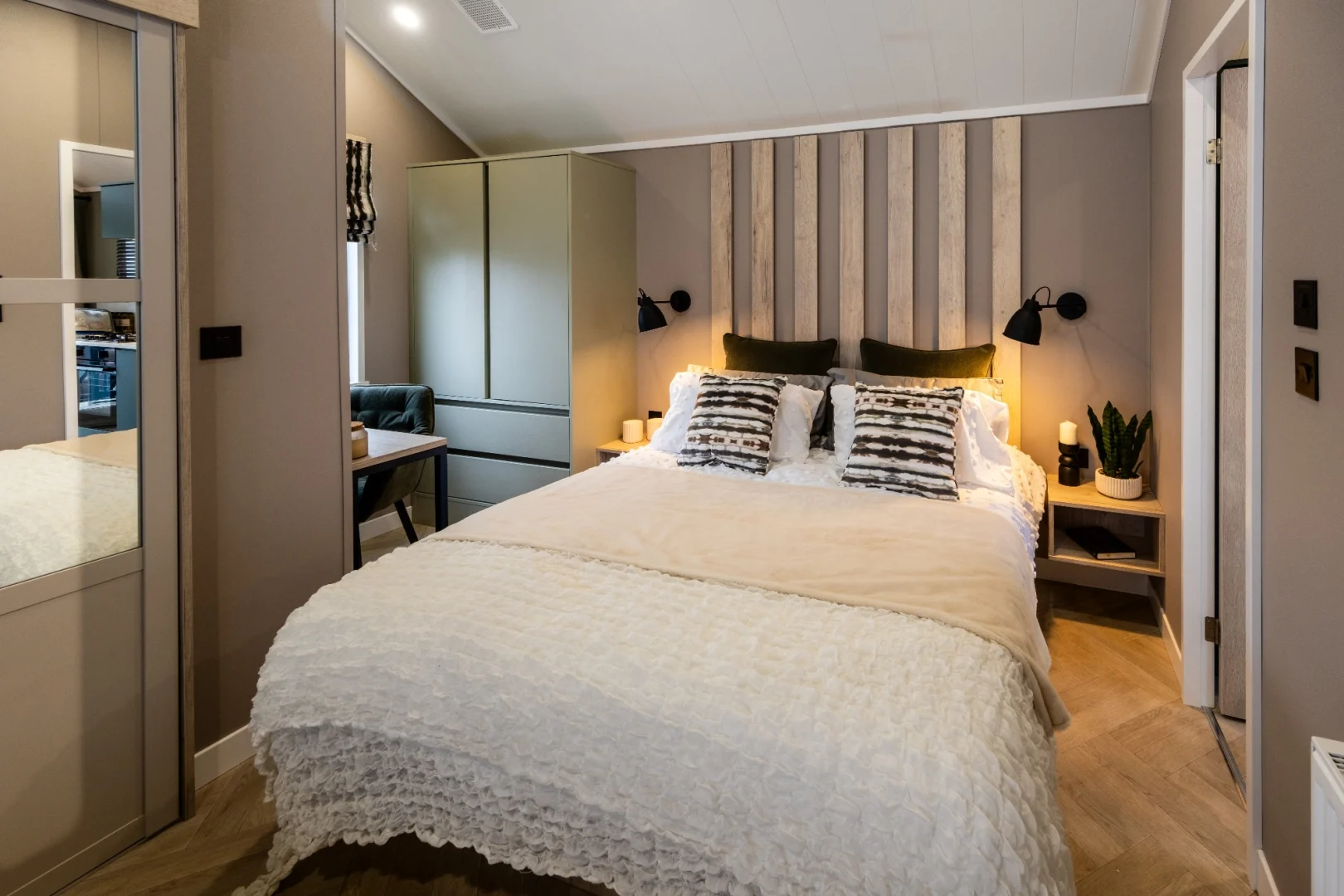
It can help in some situations, but it should not be treated as guaranteed income. Some parks do not allow private letting; others require owners to use the park’s scheme or pay a fee or commission. Demand also changes with location, season, weather, competition and the condition of the home.
Before using expected rental income in your budget, confirm:
• Whether letting is permitted by the licence agreement
• Whether you must use the park’s letting service
• Commission, booking, linen, cleaning and key-handling charges
• Guest rules, occupancy limits, pets and parking
• Insurance and public-liability requirements
• Gas, electrical and fire-safety responsibilities
• Who handles damage, complaints and emergency call-outs
• The tax treatment of the income and expenses
• How additional use may affect wear, maintenance and resale condition.
Tax and short-term letting rules have changed. The Furnished Holiday Lettings tax regime was abolished in April 2025. At the time of our guide, official guidance also said England’s national short-term lets registration scheme was not yet in force. Check the latest GOV.UK guidance for self-catering holiday accommodation and take tax advice before relying on letting income.
Do Holiday Homes Hold Their Value?
A holiday home can give years of enjoyment, but it should not be valued in the same way as a house with land. You normally own the holiday home itself and occupy a pitch under a contractual licence; you do not acquire the pitch as freehold property.
The National Caravan Council’s consumer guidance advises buyers to treat a holiday caravan as a long-term lifestyle purchase rather than a property investment and says its resale value will be lower than the original purchase price.
Future value can depend on the home’s age, condition and specification; the park and pitch; the remaining licence period; demand; park age limits; and the route available for resale. The agreement may also include transfer commission, disconnection, removal or transport charges.
Ask the park to explain every exit route before you buy: selling privately on the pitch, selling back to the park, using a park sales service or removing the home. Request the likely charges and any restrictions in writing.
How to Buy a Holiday Home: Our Four-Step Guide
Our Buyer’s Guide keeps the process simple: find your location, choose your home, pick your pitch and place your order. The order matters because the right park and pitch shape the model, dimensions and budget available to you.
Step 1: Find Your Dream Location
Start with the life you want to have at your desired location. How often will you visit? How long is the journey? Do you want a quiet countryside park, easy beach access, family entertainment or an adults-only setting? Visit several parks in person before deciding.
• The park’s open season and holiday-use rules
• Annual fees and what they include
• Facilities, activities and atmosphere
• Pet, guest, parking and accessibility arrangements
• Letting rules
• The length and terms of the pitch licence
• NCC or relevant industry membership and complaint arrangements
• Travel time from your main home
Explore our locations page to start building a shortlist.
Step 2: Choose Your Dream Home
Now think about how the space will really be used. A couple who mainly takes short breaks may have different priorities from a family hosting children, grandparents and friends. Walk through the home, sit on the furniture, open the cupboards and imagine a wet Tuesday as well as a sunny Saturday.
• Two, three or more bedrooms
• The number of permanent and occasional sleeping places
• Open-plan, central-lounge or other floorplan
• Storage for luggage, outdoor kit and everyday essentials
• Heating, glazing and build specification for the intended season of use
• Kitchen appliances and dining space
• Bathroom, en-suite and accessibility needs
• Standard equipment versus optional extras
• External dimensions and compatibility with available pitches
Browse our current holiday-home range, compare layouts and download a brochure before viewing your shortlist in person.
Step 3: Pick Your Dream Pitch
Two pitches on the same park can create very different experiences and costs. A sea view, larger garden area or position near facilities may carry a premium. A quieter pitch may be further from the pool or reception. Check the practical details as carefully as the view.
• Sun direction, shade and exposure to wind
• Views, privacy and nearby footfall
• Distance from facilities, parking and refuse points
• Access for mobility needs, pushchairs or pets
• The maximum home dimensions allowed
• Space and permission for decking, steps or storage
• Drainage, ground level and maintenance responsibility
• Pitch-specific fee and any premium charges
Step 4: Place Your Order
Before paying a deposit, check that the quote, purchase agreement and licence all refer to the same home, specification and pitch. Make sure verbal promises have been written into the documents.
• The exact model, floorplan, dimensions and build specification
• The full VAT-inclusive purchase price and payment schedule
• Everything included and excluded
• Estimated delivery, siting and handover dates
• Deposit and cancellation terms
• Warranty arrangements and who handles defects
• When insurance must start
• The pitch licence period and annual charges
• The handover documents, appliance information and owner handbook

Choosing the Right Victory for Your Budget and Lifestyle
The best-value home is not necessarily the least expensive or the largest. Rather, it’s the holiday home that fits the pitch, gives you the rooms you will use and leaves enough room in the budget for comfortable ownership.
| Holiday Home | Why Should I Buy It? |
| The Cotswold | New for 2027, the Cotswold brings together home-from-home comfort, practical design and plenty of character. Warm wood finishes, deep burgundy kitchen cabinetry and thoughtful details give the interior plenty of character, while the open-plan layout makes it easy to cook, dine and spend time together. Cosy bedrooms complete a holiday home that feels welcoming from the moment you arrive. |
| The Lakewood | A firm favourite in our range, the Lakewood has had a fresh new look for 2027. The open-plan living space feels light, spacious and made for spending time together, with comfortable seating, a statement fireplace and plenty of room to settle in. The kitchen has been updated with warm wood finishes, black accents and a new dining area that feels smart without being too formal. |
| The Davenport | Timeless and stylish, the Davenport is a relaxing sanctuary waiting to be enjoyed. New for 2025, the Davenport exudes a warm, inviting charm with its warm textures and comfy lounge seating. It features a spacious kitchen with rich espresso tones, perfect for your next culinary adventures and gatherings. |
| The Arlington | The Arlington, allows you to experience modern design made for real living. The kitchen steals the show with its soft wood finishes, bold black accents, and a layout perfect for prepping meals or catching up over coffee. The open-plan space flows into a living area anchored by an inviting sofa and cosy fireplace, ideal for unwinding after a day of exploring. The master bedroom is a sanctuary, complete with soothing tones and thoughtful details that promise total relaxation. |
| The Harraway | Chic, calm and effortlessly inviting — the Harraway is a holiday home created for slowing down and truly settling in. Step inside and you’ll find a space that instantly puts you at ease. The soft neutral palette and open, considered layout make every room feel light, balanced and beautifully liveable. Clean architectural lines are softened by warm wood grains, layered textures and tactile fabrics that invite you to relax, whether it’s morning coffee at the dining table or a long evening curled up on the sofa. |
| The Ripley | Fresh air, soft textures and a sense of calm — the Ripley is your modern retreat from the everyday. Step inside and you’ll find a holiday home that immediately feels uplifting, airy and beautifully balanced. Natural light pours through generous windows, enhancing the fresh palette of soft neutrals, warm wood accents and rich green tones that bring the outside in. Every detail has been chosen to create a harmonious flow, where contemporary design meets easy, laid-back comfort. |
| The Ashberry | The Ashberry is a home from home with comforting interiors, neutral warm tones and practical storage solutions. With standout features throughout, like the comfortable seating and storage, you won’t want to go home. With calming blue hues and warm wood tones, the Ashberry is made for relaxing. As an entry level home, it suits budgets of all shapes and sizes – without compromising on the much-loved Victory design and quality. |
| The Verve | Effortless style. Everyday comfort. Surprisingly affordable. The Verve is proof that great design doesn’t need to come with a luxury price tag. Available in both 10ft and 12ft widths, it’s been created with flexibility in mind — offering layouts that maximise space without compromising on comfort. From the clean, modern finishes to the clever storage solutions, every inch has been designed to make holiday living simple, stylish, and stress-free. |
| The Lumiere | Designed to offer a couples' unique boutique experience, the Lumiere is a new one-bedroom luxury holiday retreat that also offers landowners a unique proposition for holidays. The Lumiere redefines glamping from its stylish interiors and colour scheme, to its practical living space, it's designed to offer your guests the ultimate staycation retreat and, ultimately, drive strong return on investment for you. |
A visit to our East Yorkshire showground makes these choices much easier. You can compare layouts, furniture, storage and finishes at real scale before discussing the parks and pitches available to you.
Holiday Home Costs and Buying FAQs
How much does a holiday home cost in the UK?
There is no single all-in price. The cost depends on the model, size, specification, park, pitch, VAT treatment, transport, siting and options. Manufacturer RRPs are useful for comparing models, but ask a park or distributor for a final VAT-inclusive, fully sited quote.
What costs do holiday-home owners pay each year?
Common annual costs include the pitch fee, utilities or rates, insurance, servicing, safety checks, maintenance, winterisation, Wi-Fi and any additional park services. Finance repayments and letting expenses may also apply.
Do you pay council tax on a holiday home?
A holiday caravan on a seasonal or holiday park is generally not individually liable for council tax unless it is used as someone’s sole or main residence. The park may include or recharge a share of non-domestic rates. Confirm the position with the park and local authority.
Can a holiday home be used as a permanent residence?
Not when it is on a holiday-use park. A long or 12-month open season does not automatically permit permanent living. Residential use requires the correct planning position, site licence and residential agreement.
Can you get finance for a holiday home?
Finance may be available through some parks, dealers or third-party providers. Compare the APR, term, monthly payment and total amount payable, and check the lender or broker on the FCA Firm Checker.
Do holiday homes depreciate?
Yes, holiday caravans and lodges should generally be expected to sell for less than their original purchase price. Future value depends on age, condition, park, pitch, remaining licence term, demand and sale or transfer charges.
Can I rent out my holiday home?
Only if the park licence agreement allows it. You may need to use the park’s letting scheme and pay commission or other fees. Insurance, safety, tax and guest-management responsibilities also apply.
You might also enjoy reading...

5 Reasons to Buy a Holiday Home in 2027
Are you looking to buy a holiday home in 2027? Victory Leisure Homes lists five reasons why you should in this handy guide.